
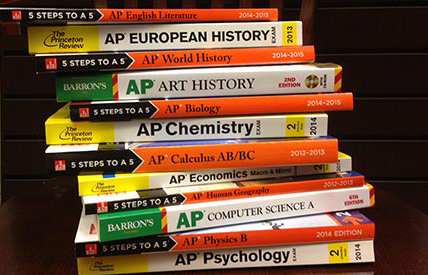
High school students face an array of choices that can significantly shape their future. Parents, students, and educators often deliberate over the worth of AP courses, weighing the potential benefits against the challenges. So, are AP classes worth it? Let’s dive into the details to uncover what is right for you.
What Are AP Classes?
Advanced Placement classes are college-level courses offered in high school. They are designed by the College Board to provide students with the opportunity to engage in rigorous academic studies before stepping foot on a college campus. By successfully completing an AP course and scoring well on the corresponding exam, students may earn college credit, advanced placement, or both. This sounds enticing, but what does it really mean for students?
The Benefits of AP Courses:
1. College Credit and Advanced Placement.
One of the most compelling reasons to enroll in AP classes is the potential for earning college credit. Many colleges and universities offer credit for high scores on AP exams, which can translate into significant tuition savings or allow students to graduate early. Completing a few AP classes successfully may enable students to enter college with credits equivalent to a semester or even a year’s worth of coursework.
2. Enhanced College Applications.
AP classes demonstrate a student’s ability to handle challenging coursework, which can be a substantial asset in college admissions. Admissions officers often look favorably upon students who push themselves academically. A transcript peppered with AP classes shows signs of ambition, commitment, and readiness for the more rigourous demands of higher education.
3. Deepening Critical Skills.
Engaging in AP courses cultivates valuable academic skills, such as critical thinking, analytical writing, and effective study habits. The depth of inquiry involved in these classes encourages students to broaden their understanding, and engage with more complex concepts. This deep engagement will hopefully develop a lifelong love for learning!
4. Developing University Readiness.
The curriculum and pacing of AP classes closely mirror college-level courses, providing students with a glimpse into the academic challenges ahead. This exposure can help ease the transition to college, equipping students with the necessary abilities to tackle future coursework confidently.
The Challenges of AP Classes:
1. Intense Workload.
While the benefits of AP classes are considerable, the workload can be overwhelming. AP courses often require extensive reading, rigorous assignments, and a commitment to study beyond the regular school hours. Students with busy schedules or extracurricular commitments might find it challenging to maintain the necessary balance.
2. Stress and Anxiety.
The pressure to perform well in AP classes can lead to heightened stress levels among students. Balancing multiple AP classes while preparing for exams and managing other responsibilities, such as part-time jobs or social commitments, can be daunting. This stress, if left unaddressed, can contribute to burnout and negatively impact a student’s overall well-being. This can also lead to feelings of giving up, or not receiving credit/grades that ultimately could have been more beneficial in a “lesser” course.
3. NOT All Colleges Respect AP Courses.
While many institutions do accept AP credits, not all colleges have the same policies. Some may require exceptionally high scores for credit, while others may not accept AP courses at all. It’s crucial for students to research their target colleges’ policies to ensure that the time and effort invested in AP classes will yield the desired outcomes.
4. Opportunity Cost.
Time spent in AP courses means time away from other potentially enriching experiences—be it pursuing hobbies, taking elective courses, or dedicating more time to extracurricular activities. Students must weigh whether the benefits of AP classes will truly enrich their academic experience or whether they might be better off exploring a broader range of subjects. And then there is the physical cost. It is $99 per exam, to read more on that you can go to College Board.
Read more: AP Classes: Are they worth it?https://apcentral.collegeboard.org/exam-administration-ordering-scores/ordering-fees/exam-fees
In Conclusion:
The question of whether AP classes are worth it ultimately depends on the individual student’s goals, interests, and capacities. Students eager to challenge themselves academically, plan to attend competitive colleges, and are prepared to handle a rigorous workload may find AP classes to be exceptionally rewarding. Conversely, students seeking a more balanced high school experience or those with other priorities might consider alternatives like dual-enrollment programs, honors classes, or independent study courses.
The best approach is to conduct thorough self-assessment and encourage open discussions with school counselors, teachers, and family members to arrive at informed decisions.
For more information you can look at the most and least favored AP Courses:
Also take a list of the full list of AP Courses here:


