
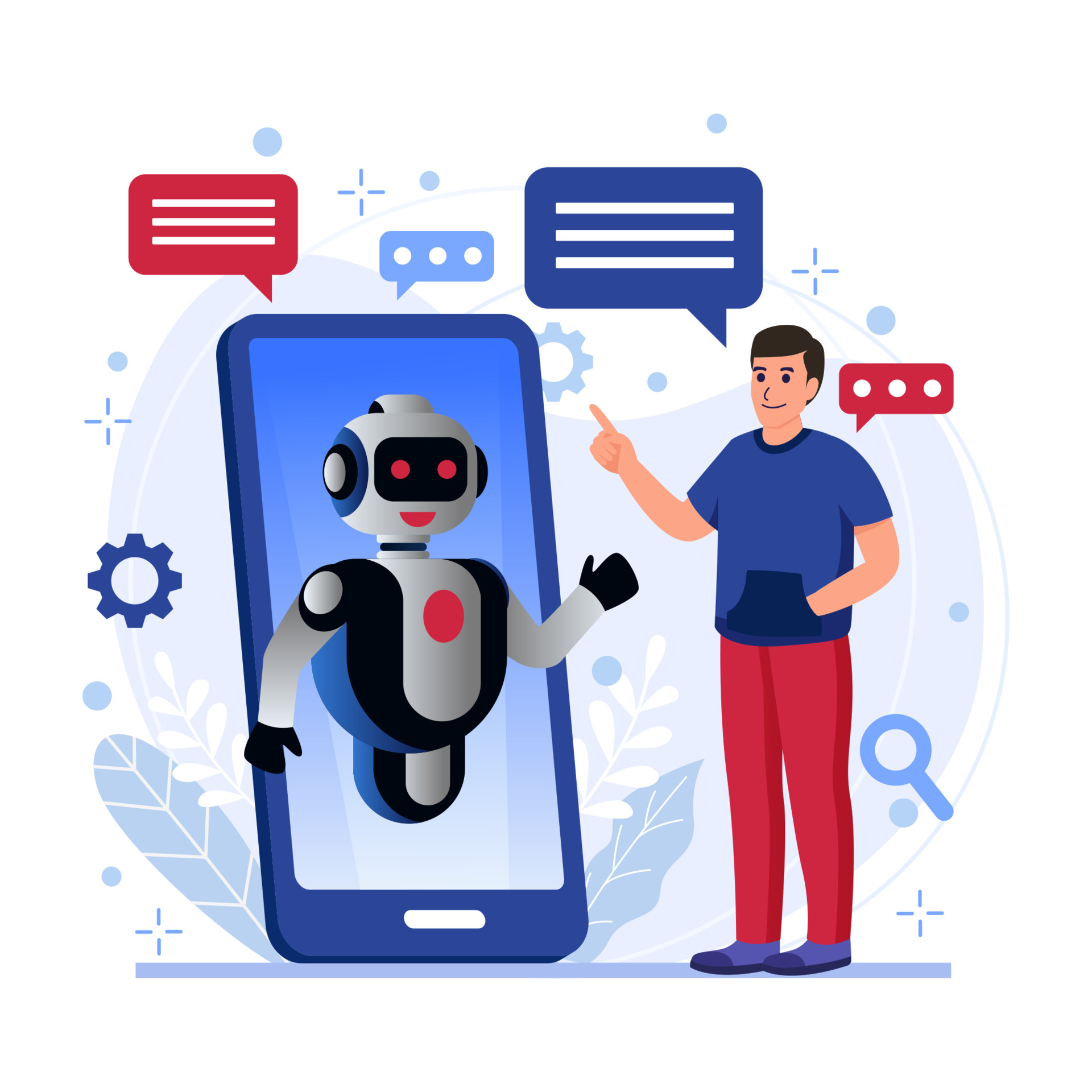
In doing research for the top educational issues being discussed in the past year AI consistently came to the top. Furthermore, according to a search done by Simplicable the mention of “AI Administration of Schools” rose by 356%! There are obviously valid concerns and questions about how AI is used in our schools. As the topic is complex and broad, this blog explores the integration of AI in terms of how it is used within school management.
Starting at the Top
The Role of AI in School Management
The integration of artificial intelligence (AI) into school management is steadily reshaping how educational institutions operate. The application of AI technologies in schools is two fold: to enhance administrative efficiency and create enriched learning environments fostering student engagement.
Streamlining Administrative Processes
A significant impact of AI in school management is its ability to streamline administrative tasks that often consume valuable time and resources. Traditional paperwork, such as enrollment forms, attendance tracking, and grade management, are time consuming and prone to human error. AI-powered systems automate these processes, reducing the administrative burden on teachers and staff. Intelligent algorithms can manage enrollment processes by efficiently analyzing data, predicting student demographics, and allocating resources in a more targeted manner.
Another integration is chatbots and virtual assistants. These have emerged as tools to enhance communication within the school community. Available 24/7, they can answer frequently asked questions from parents and students. The goal is to allow administrative staff to focus on more complex inquiries that require human intervention. This should improve operational efficiency.
Enhanced Data-Driven Decision Making
The educational landscape is rich with data-be it student performance metrics, attendance records, or social-emotional factors affecting student learning, this data. AI processes vast amounts of information, uncovering patterns and insights that can guide effective decision-making. For school leaders, this means having access to real-time analytics that inform everything from curriculum adjustments to resource allocations.
By employing predictive analytics, schools can identify at-risk students and intervene before challenges escalate into setbacks. AI systems analyze past performance trends and behavioral data, educators can then pinpoint who may need additional support or alternative interventions. Teachers are able to tailor strategies to meet individual needs in ways not done prior. This personalization of education helps create a more inclusive environment that recognizes diverse student experiences.
Supporting Teacher Effectiveness
AI can serve as a powerful ally for educators. It may augment their effectiveness and enrich the teaching experience. Teachers are often overwhelmed with lesson planning, progress tracking, and grading assignments. AI can assist in these areas by suggesting customized lesson plans based on curriculum standards, automating the grading process, and providing insights into student comprehension.
Furthermore, AI tools can facilitate professional development opportunities by analyzing teaching practices and providing feedback. For instance, through classroom observations supported by AI, educators can receive constructive critiques on instructional methods, classroom management, and engagement strategies. This feedback loop promotes continuous growth and fosters a community of improvement among teaching professionals.
From Administrative to Class
AI’s influence extends beyond the administrative sphere into the classroom. Adaptive learning technologies powered by AI cater to each student’s unique learning style, pace, and preferences. By analyzing each learner’s interactions with educational content, AI systems can create personalized learning pathways that adjust in real-time.
For example, a student struggling with algebraic concepts. AI-driven platforms can modify the complexity of tasks assigned, introduce different instructional methods, or provide additional resources in a manner that is engaging and effective. This tailored approach not only helps students grasp challenging concepts but can also enhance overall motivation and self-efficacy.
Challenges and Ethical Considerations
Despite the promising benefits, the integration of AI in school management comes with its own set of challenges and ethical considerations. Data privacy and security are paramount concerns; schools must navigate the complexities of safeguarding sensitive student information while leveraging data for decision-making. Consequently, establishing robust policies and transparent practices regarding data usage is essential.
Additionally, there is the risk of over-reliance on automated systems, which may ultimately dehumanize the educational experience. Education is inherently a social endeavor; educators must strike a balance between harnessing AI’s capabilities and maintaining the essential human connections that foster learning.
The journey of integrating AI into school management is ongoing and requires thoughtful deliberation on its implications for the future of education. I encourage you as a parent to actively be aware of how AI is being handled at the administrative level. When you are able to see the benefits of AI being used efficiently it may alleviate concerns and questions. On the flip side of that, you can track that AI is being used in a way that benefits, rather than hinders, the education process. By embracing AI responsibly, educational institutions can create a dynamic and responsive educational ecosystem that caters to the needs of all students while preparing them for an increasingly complex world.


